Discover Izakaya Bizan
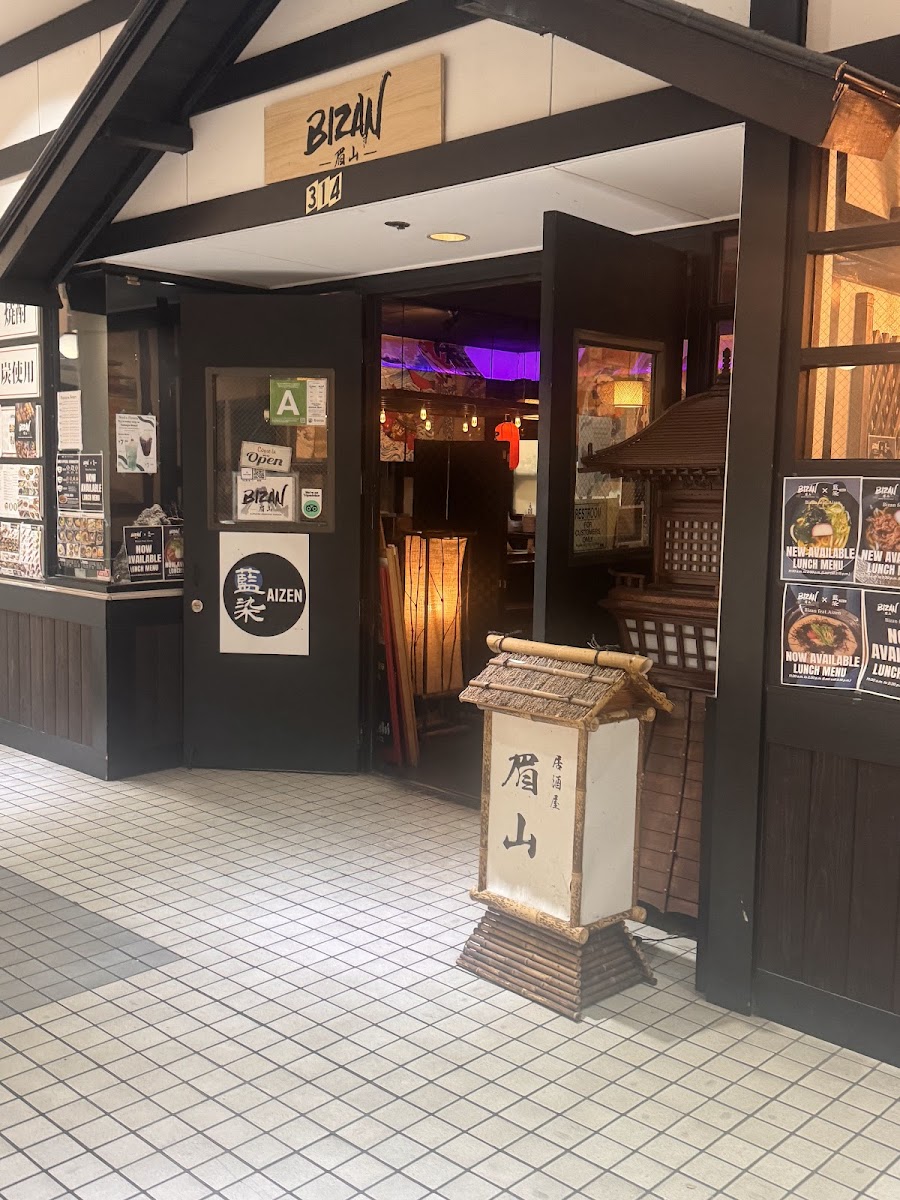
Tucked inside the buzzing heart of Little Tokyo at 333 S Alameda St #314, Los Angeles, CA 90013, United States, Izakaya Bizan feels like one of those places you almost want to keep to yourself. I first stopped by on a Friday evening after hearing a chef friend rave about their charcoal grill, and from the moment I stepped in, the warm lighting and low hum of conversation set the tone. It’s casual, yes-but there’s a quiet confidence in how the kitchen runs, and you can taste it in every dish.
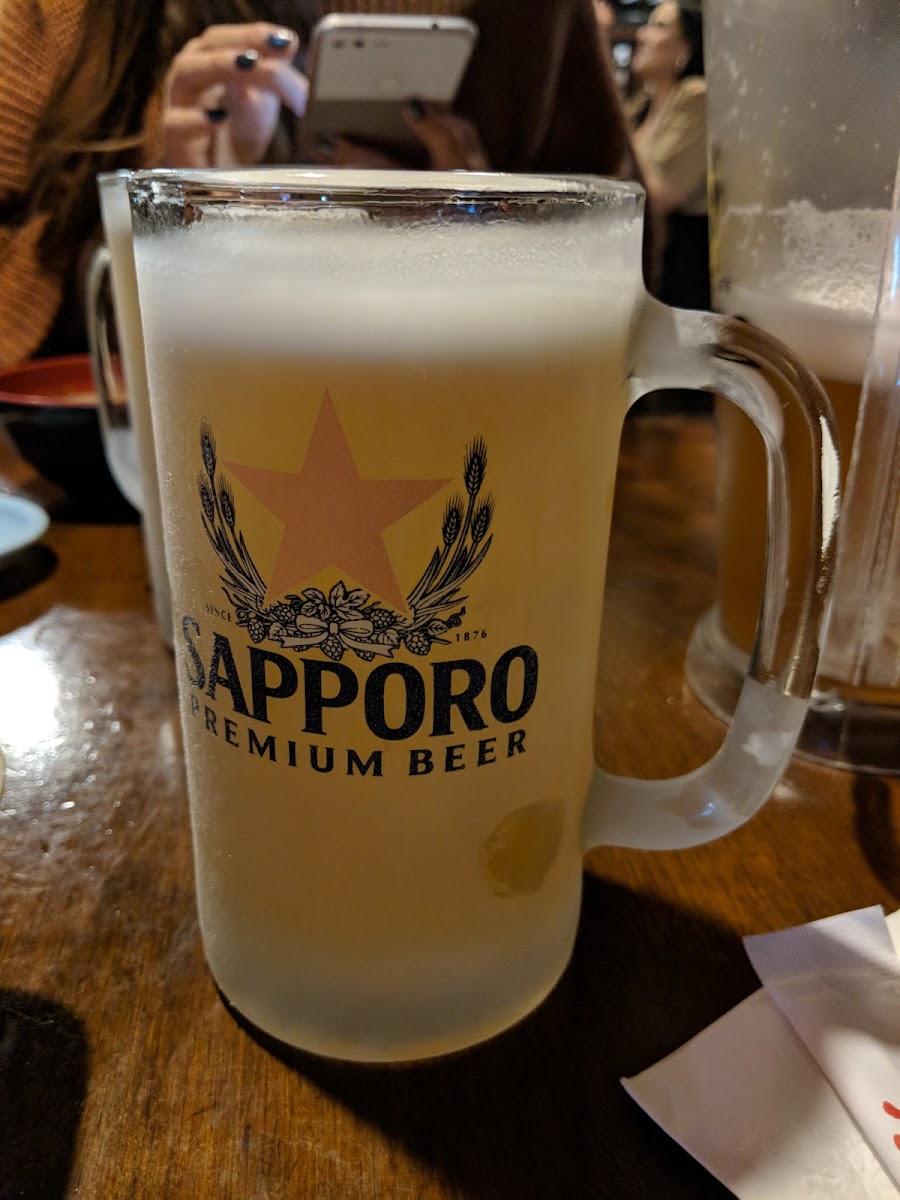
The menu leans heavily into traditional Japanese izakaya fare-small plates designed for sharing, ideally paired with sake or Japanese beer. If you’re new to the concept, an izakaya is essentially Japan’s answer to a tapas bar. According to the Japan National Tourism Organization, izakayas are rooted in after-work culture, where colleagues gather over grilled skewers, sashimi, and drinks. That social spirit is alive here. Plates arrive steadily, encouraging you to linger rather than rush.
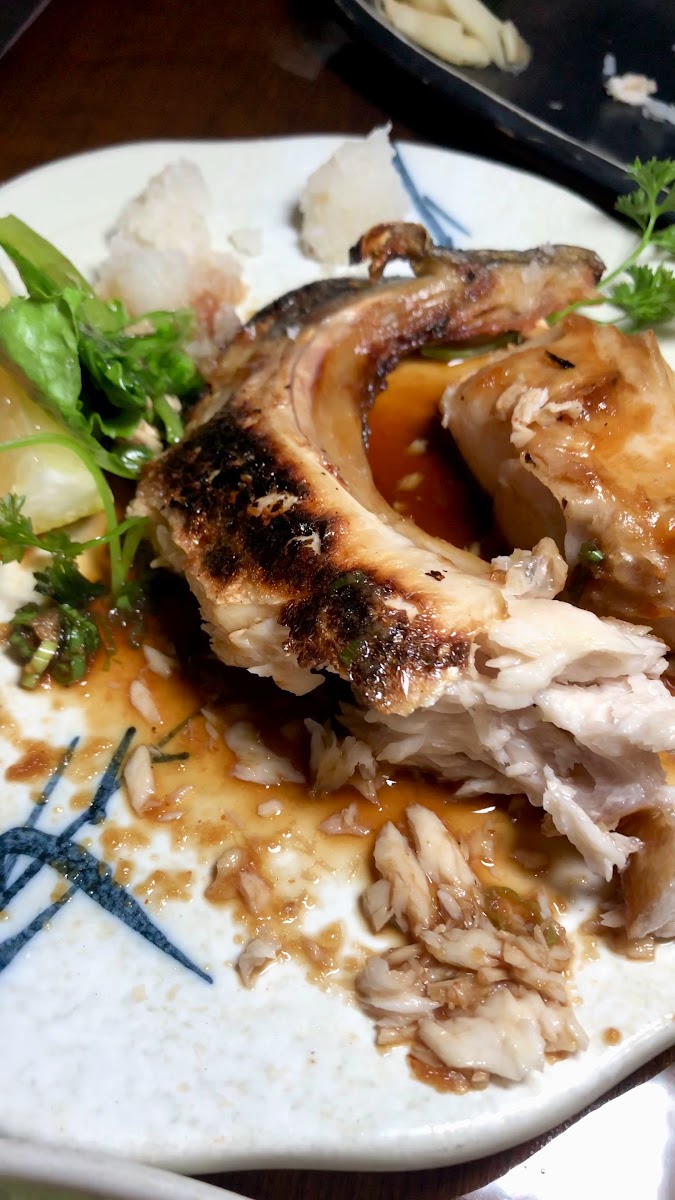
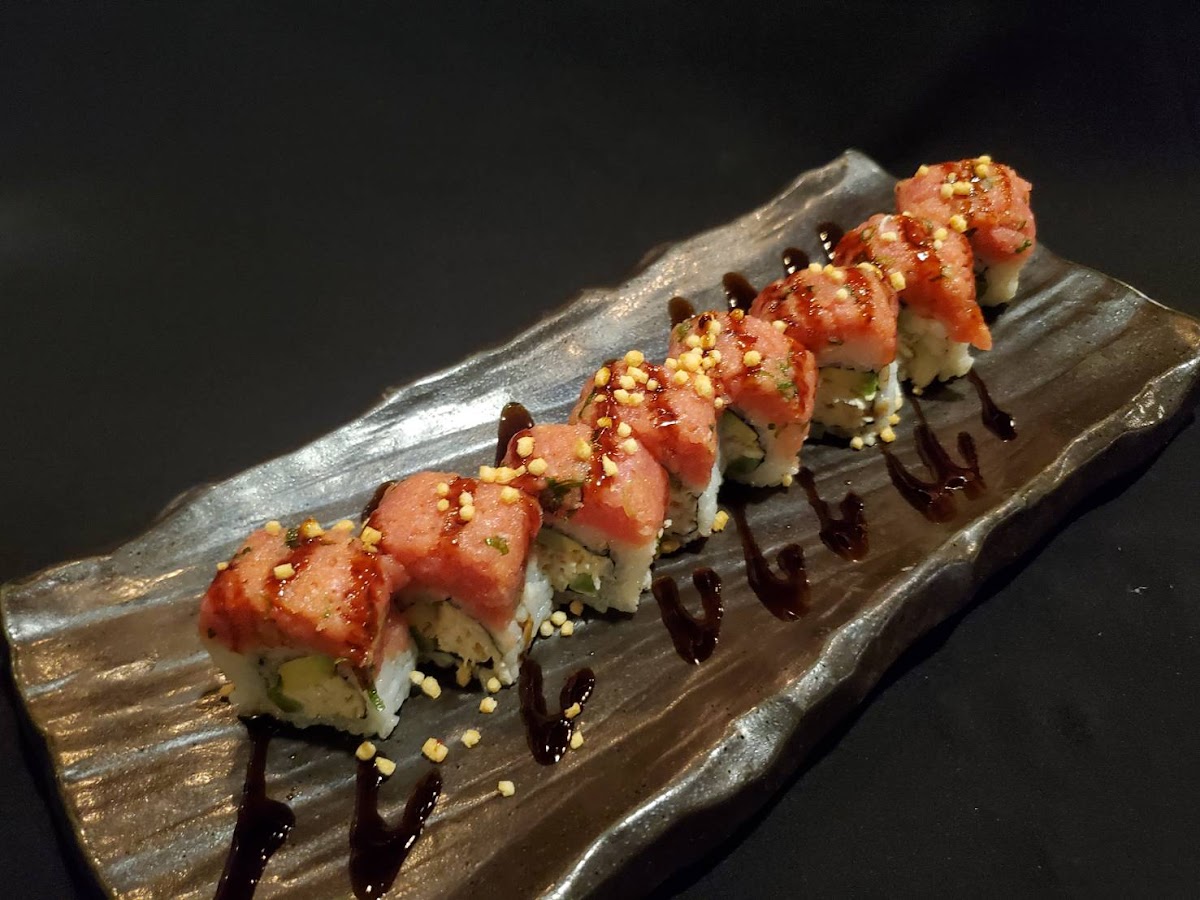
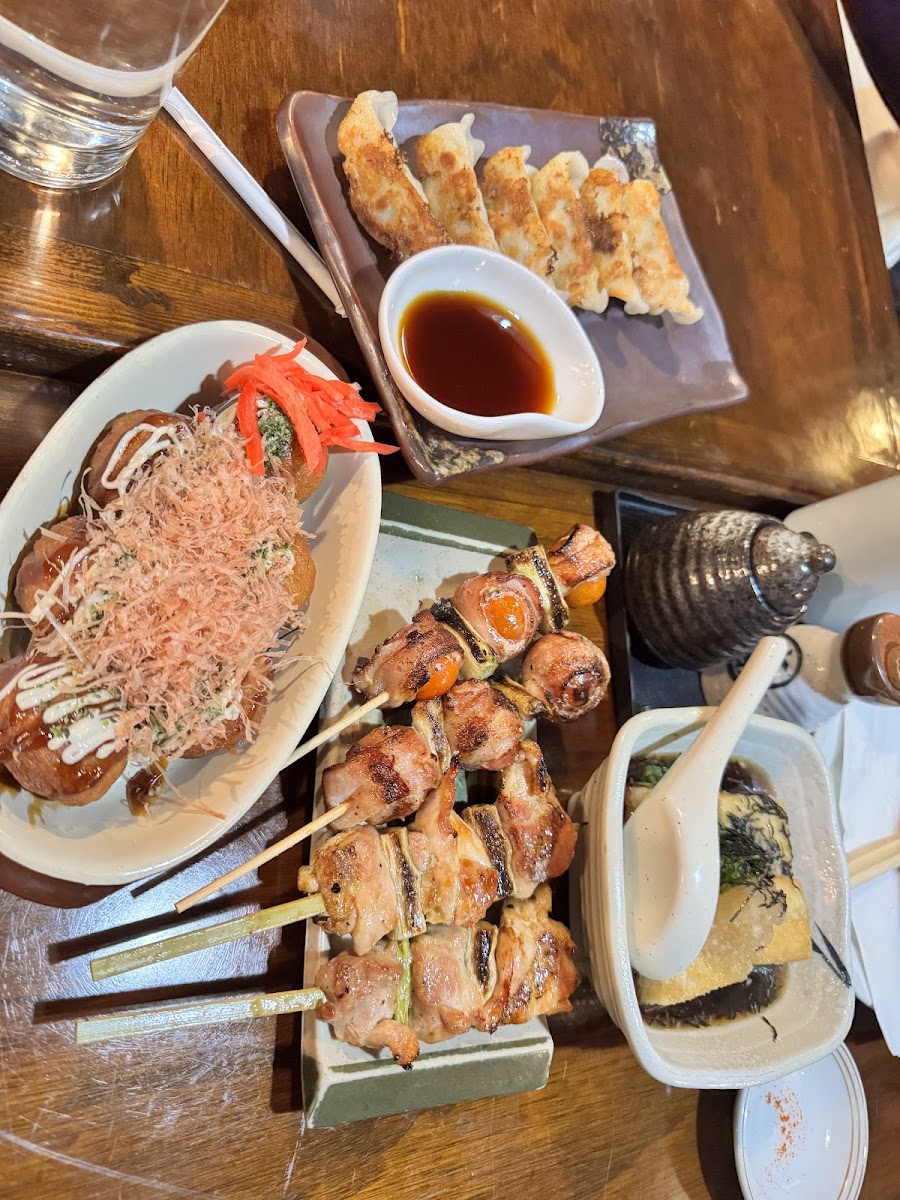
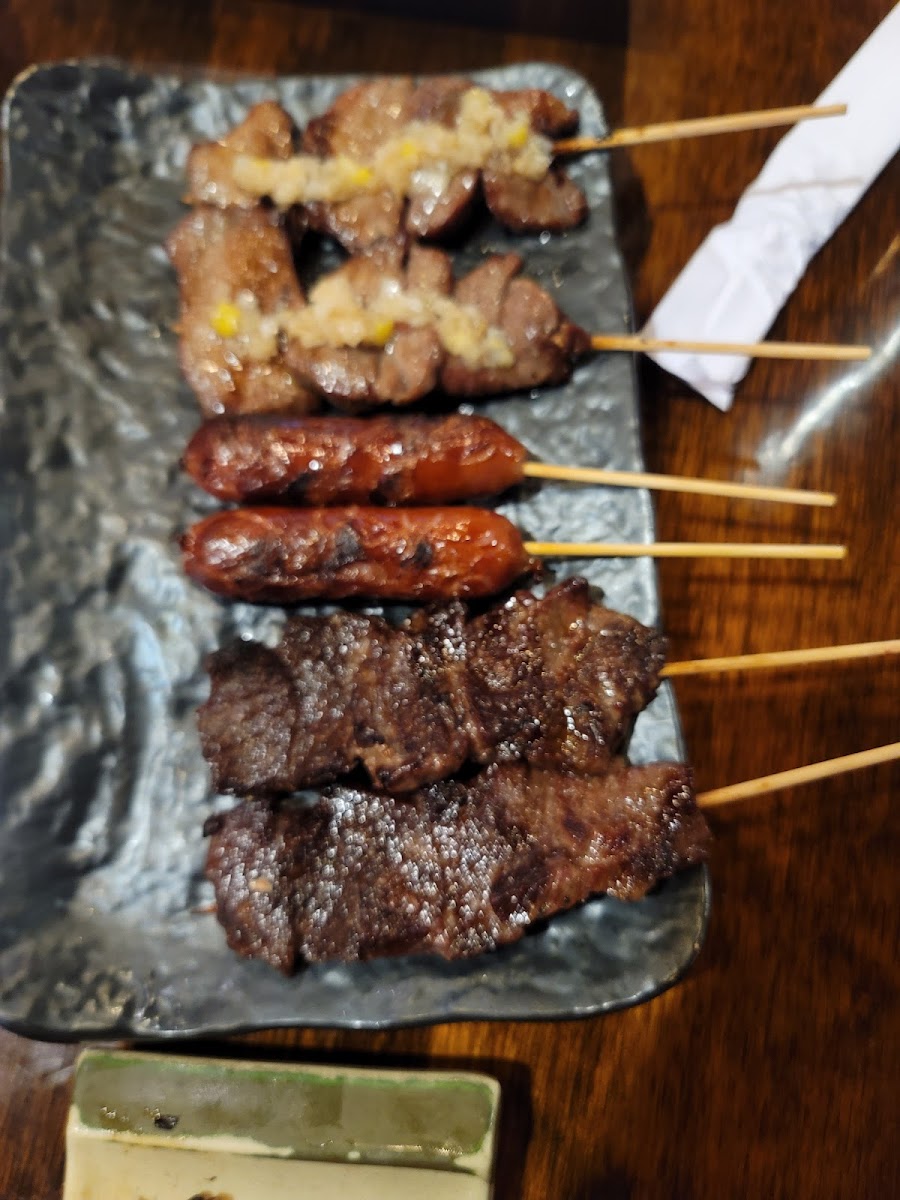
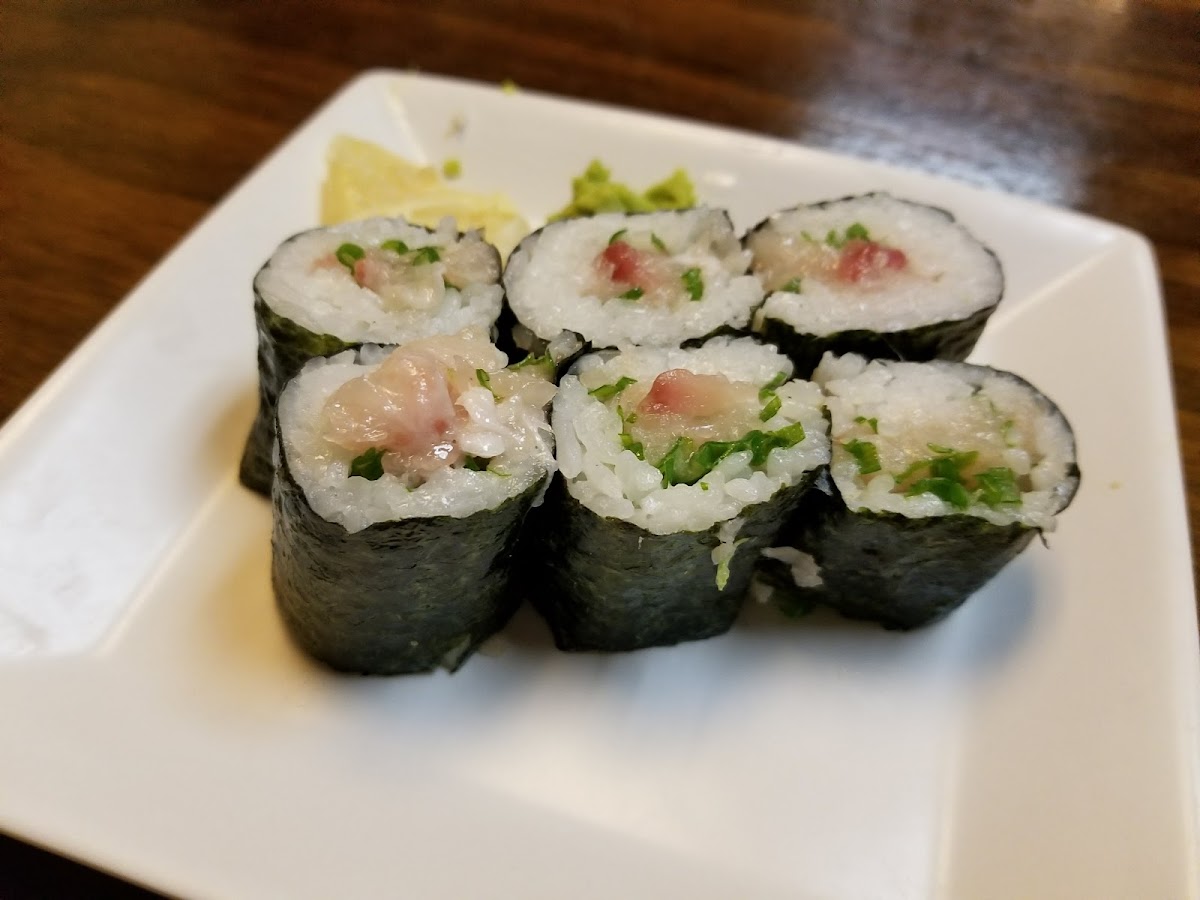
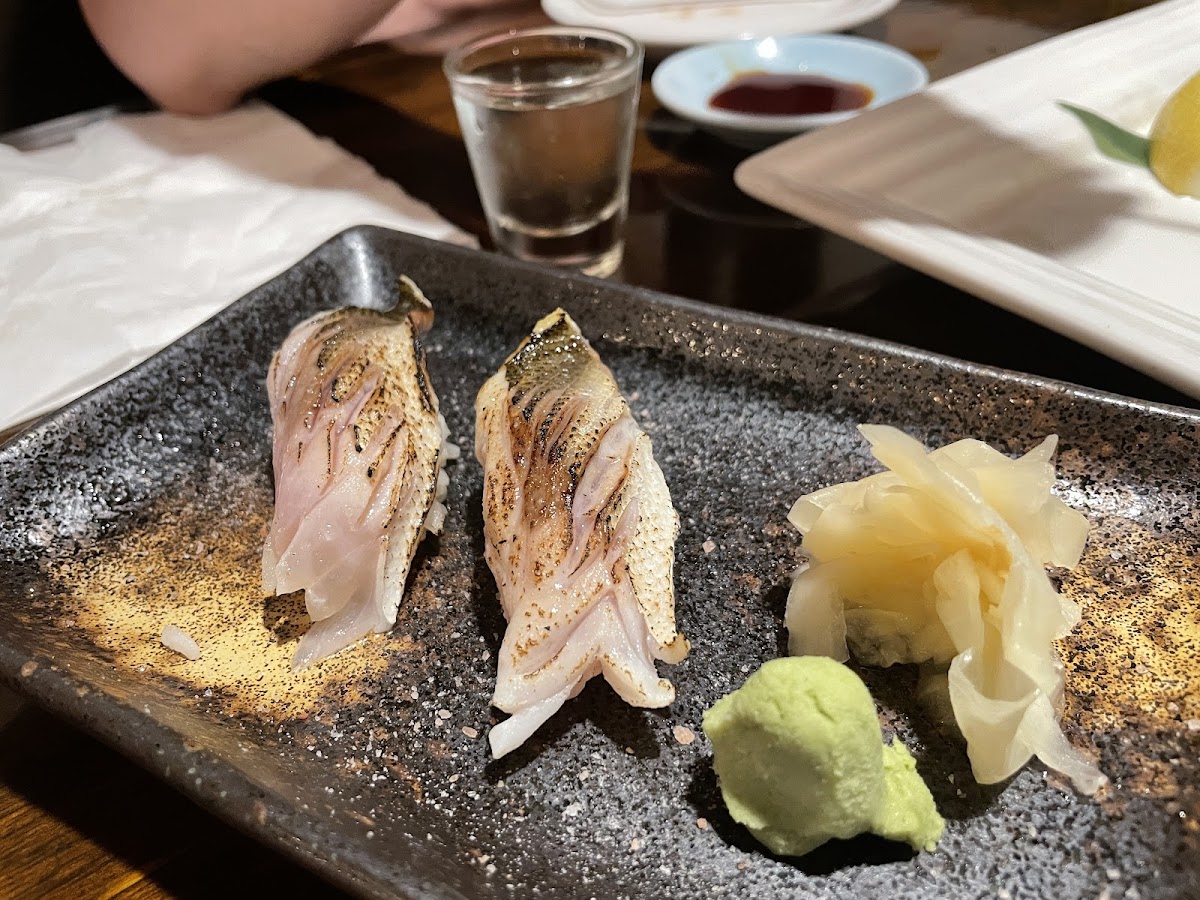
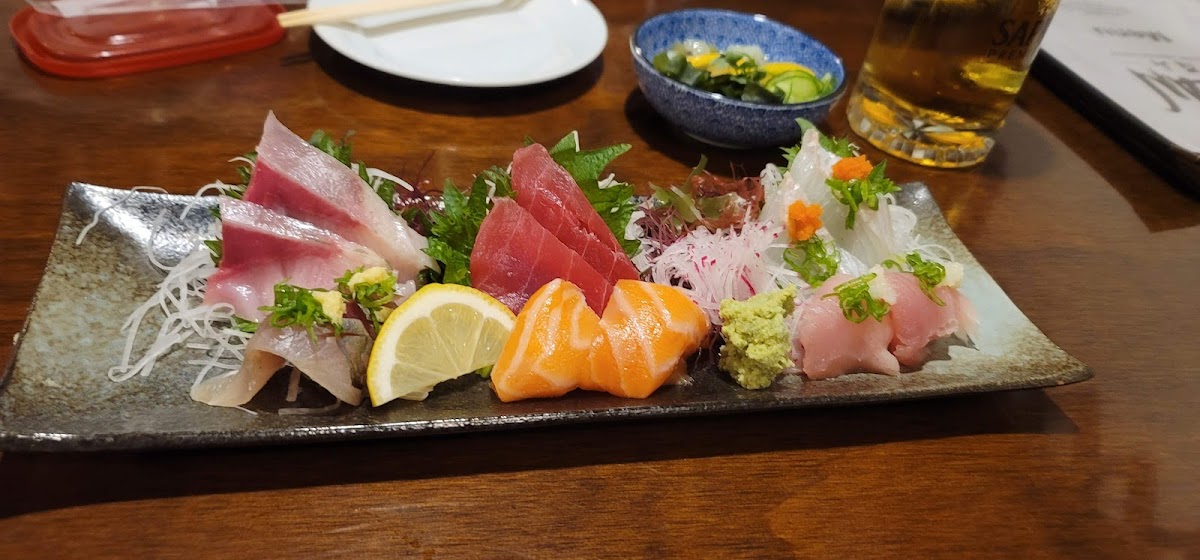
On my first visit, I ordered the yakitori assortment, which is grilled over binchotan charcoal. This type of white charcoal burns hotter and cleaner than regular charcoal, a detail that matters. The high heat seals in moisture while adding a subtle smokiness. The chicken thigh skewer was juicy with crisped edges, and the tare sauce struck a balanced sweet-savory note. I also tried their salmon sashimi, sliced thick and served with freshly grated wasabi. The texture was buttery, and the fish tasted impeccably fresh-a sign of careful sourcing. The National Fisheries Institute often emphasizes the importance of proper cold-chain management in seafood quality, and based on the flavor and firmness here, the standards seem high.
One standout is the agedashi tofu. It sounds simple-lightly fried tofu in dashi broth-but the execution makes it memorable. The exterior had a delicate crisp shell, giving way to a silky center. The broth carried umami depth from kombu and bonito flakes. If you’re unfamiliar with umami, it’s recognized as the fifth basic taste, a concept formalized by Japanese scientist Kikunae Ikeda in the early 20th century. Here, that savory depth is layered rather than overpowering, which speaks to real culinary restraint.
Beyond the food, the drink menu deserves attention. The sake list features junmai and ginjo varieties, each with distinct aroma profiles. I asked the server for guidance, and she recommended a dry junmai to pair with grilled meats. She explained the rice-polishing ratio in simple terms, which honestly made the experience more engaging. That kind of knowledgeable service builds trust. You feel guided, not upsold.
Reviews from locals consistently mention the consistency of the kitchen. On my second visit, months later, I ordered the same yakitori and found it just as satisfying. That level of reliability isn’t accidental. In restaurant operations, consistency often comes down to standardized prep methods and disciplined timing on the line. Watching the chefs work behind the counter, I noticed precise movements and minimal chatter-an efficient rhythm that keeps dishes flowing without chaos.
The location in Little Tokyo also adds context. This neighborhood has long been a cultural anchor for Japanese cuisine in Los Angeles. While there are trendier sushi bars nearby, this spot feels grounded in tradition. It doesn’t chase fusion gimmicks. Instead, it focuses on technique and ingredient quality. That approach aligns with what many culinary experts advocate: master the fundamentals before experimenting.
Prices are reasonable for downtown Los Angeles, especially given the quality. Small plates encourage variety, so you can build your own tasting experience. Whether you’re planning a casual date night, meeting friends, or simply craving grilled skewers and cold sake, the atmosphere makes it easy to settle in.
Of course, it can get busy on weekends, and seating is somewhat limited. Reservations are a smart move if you’re coming with a group. Parking in the area may require using a nearby garage, which is typical for this part of the city. Still, once you’re seated with a spread of skewers, sashimi, and a warm cup of sake in front of you, those minor logistics fade into the background.
What keeps me coming back isn’t just the food-it’s the feeling. The steady pace of dishes, the aroma of charcoal, the gentle clink of glasses. It captures that unmistakable izakaya energy: relaxed, flavorful, and deeply satisfying.